All Categories
Featured


Proven Business Success Stories in the US
Table of Contents
Comprehensive assessment of sectors guides investment decisions and capital allocation to maximize returns over complete market cycles. Based upon studies performed by 'NASSCOM Strategic Evaluation 2021' and 'McKinsey & Company: The Increase Of India's IT Sector 2020'; it was found that the IT Sector of the nation has been an important contributor for the country's GDP and work.
Throughout the research study, it was discovered that encouraging federal government policies and knowledgeable workers managed to evolve and enhance the IT sector. An essential insight was discovered through the papers that during the years of 2010 and 2020; Nifty IT handled to outshine the Nifty 50 by growing around 7% annually.
Sector Analysis involves evaluating entire markets and sectors rather than private companies. The goal is to identify sectors that are likely to surpass the overall market, as well as those that sometimes underperform.
Top Performance Benchmarks for US Sectors
Analysts also evaluate the sector's position in business cycle. Sectors in the early phases of growth typically offer the most possible. Sector analysis aims to recognize the sectors best positioned for development, permitting financiers to tilt their portfolios towards locations of strength in the economy. It offers a macro viewpoint on the marketplaces rather than simply taking a look at individual stock fundamentals.
A study called 'Sector Analysis And Portfolio Optimization In The Indian Stock Market' was brought out and published by 'Journal Of Asset Management'. The findings concluded that just by welcoming sector analysis during the develop up of the investment portfolio, the portfolio sustained an increase in return on financial investment by the margin of 2 3 % each year and the risk reduced by 1 2 % compared to non sectoral portfolios.
By evaluating various sectors, financiers identify markets and companies that are poised to outshine or underperform the more comprehensive market based upon where we remain in business cycle. Different sectors perform in a different way in various market environments. Sector analysis if included in various investment strategies has found to be useful for the financial investment portfolio.
[target2:anchor_exact1]Annual Performance Reports and Data Insights
Business cycle describes the cyclical expansions and contractions of economic activity. The cycle includes four primary stages expansion, peak, contraction, and trough. During the expansion stage, economic activity accelerates as production and need increase. This causes strong development in GDP, falling joblessness, and rising business earnings.
The contraction stage consists of declining economic activity as production, demand, and corporate profits start to fall. GDP development turns unfavorable, joblessness rises, and the economy goes into economic downturn.
A study was performed, named as 'A Comparative Research Study of Sectoral Efficiency Throughout Economic Economic Downturn in India' by a company called 'Cost-effective and Political Weekly'. The documents published reflected that during the economic downturn stage of India, the Reality Sector skilled declines upto 25% whereas the FMCG Sector handled to decrease only upto 5%.
[target2:anchor_exact1]Expert Marketing Solutions Using Verified Data
The primary objective of sector analysis is to assist companies or financiers make notified decisions by offering insights into market need, competition, chances, risks, and patterns in order to develop techniques that take advantage of strengths while attending to weak points. There are eight crucial goals of carrying out sector analysis. At its core, sector analysis guides crucial by offering insights into industry characteristics.
For businesses, sector insights direct high-level tactical decisions on new market entry, partnerships, competitor responses, and resource allowance. Evaluating sectors allows investors and business to. Investigating business within a sector assists determine direct and indirect competitors.
Measuring Marketing Benchmarks against Sector Standards
This guides choices on which sectors or business to focus on. Macroeconomic factors have possible to affect the efficiency of sectoral indices. A research study advanced by Journal of Economic Policy and Research published that a portion of modification in rates of interest resulted in a 2.5% change in the banking sector whereas this 1% modification in rate of interest resulted in only 1.8% modification in the reality sector.

Latest Posts
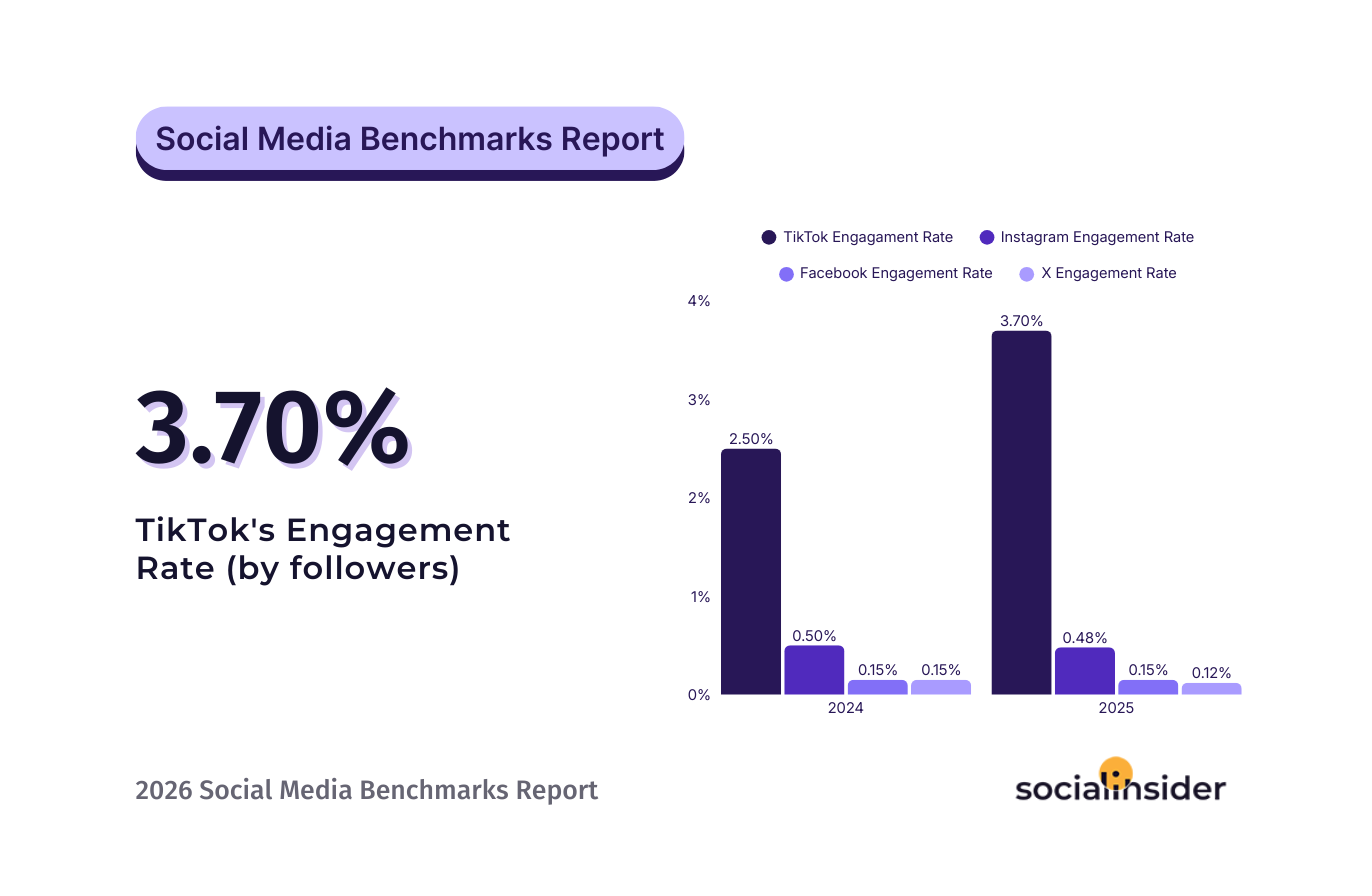
Analyzing Sector Growth Trends Within the United States

Recent Enterprise Growth Stories in the US

Modernizing Service Models for Higher Revenue