All Categories
Featured


Standardizing US Efficiency Metrics
Dexterity matters more than excellence. Markets are moving faster, and competitive pressures can alter quickly. Constructing a culture where your group is encouraged to pivot when new data appears helps guarantee your techniques stay appropriate. The most reliable business are those that evaluate and revise their plans regularly in reaction to fresh competitor intelligence.
Comprehending these constraints assists make sure that your findings are analyzed correctly and utilized wisely. Not all competitor information is public or reputable. Some companies might use several trademark name or channels that make tracking challenging. Others may limit disclosures in financial reports or marketing materials. Always cross-check information from multiple sources and utilize reliable tools to minimize errors.

Instead of producing worth, companies might end up chasing patterns. This method waters down brand identity and typically results in strategic confusion. A well-rounded analysis includes both competitive intelligence and a strong understanding of your core worth proposal. With so many tools and metrics offered, groups can end up being overwhelmed. Excessive information without a clear framework can result in choice paralysis.
A common error is viewing competitive research study in seclusion. Your analysis must sit within a wider market research study and competitive analysis method.
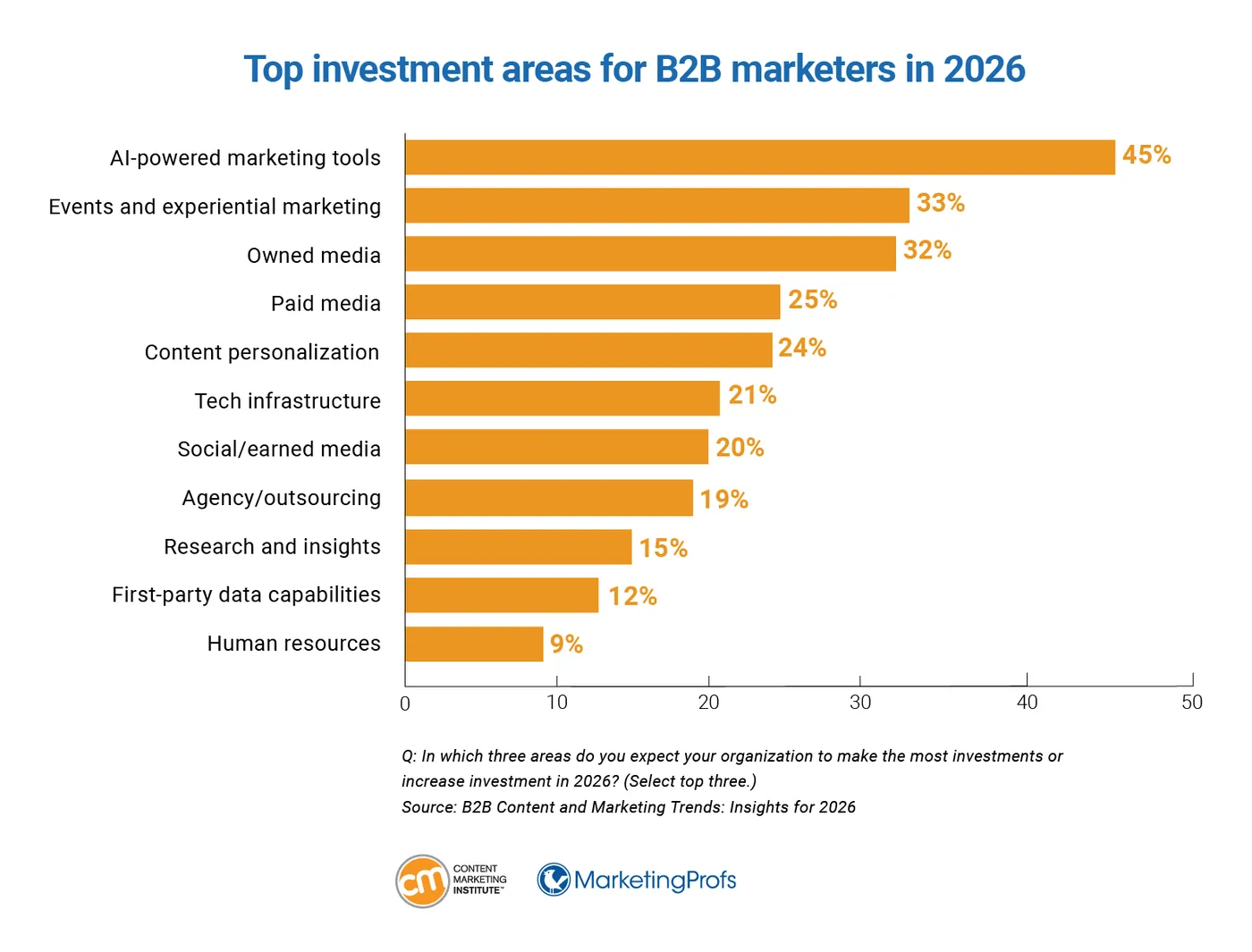
[target1:anchor_exact1]As competitors magnifies across industries, the method businesses approach competitive market analysis is undergoing a significant shift. Standard techniques of keeping an eye on rivals are being enhancedor in many cases, replacedby more sophisticated, technology-driven methods. For brands aiming to lead rather than follow, comprehending and adopting these emerging patterns is no longer optional.

Latest Posts
Analyzing Sector Growth Trends Within the United States

Recent Enterprise Growth Stories in the US

Modernizing Service Models for Higher Revenue